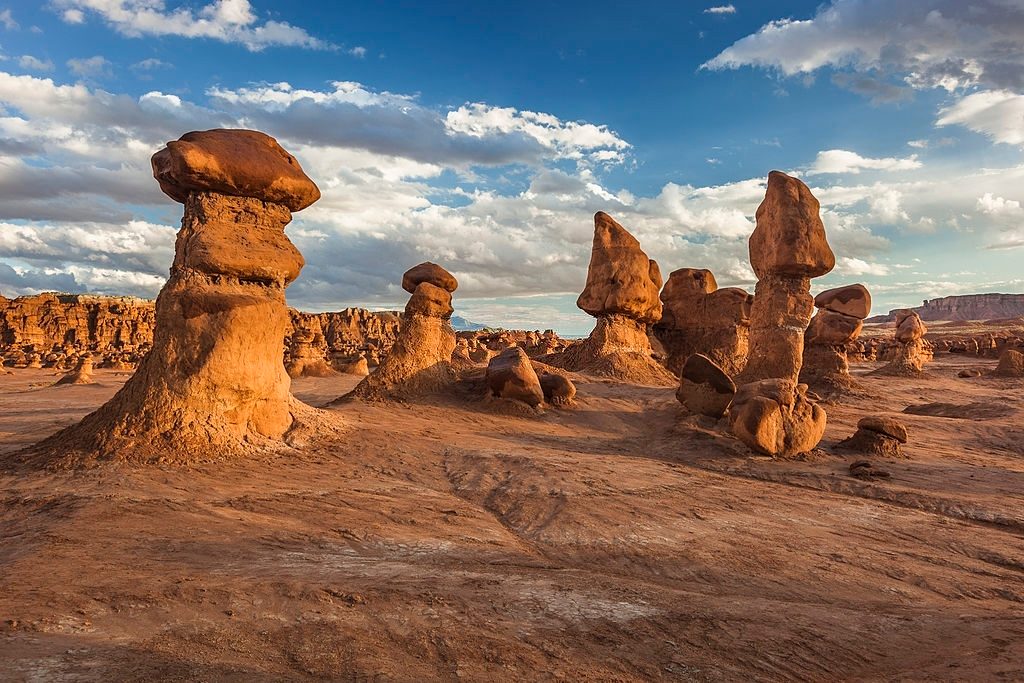
Mushroom Desert
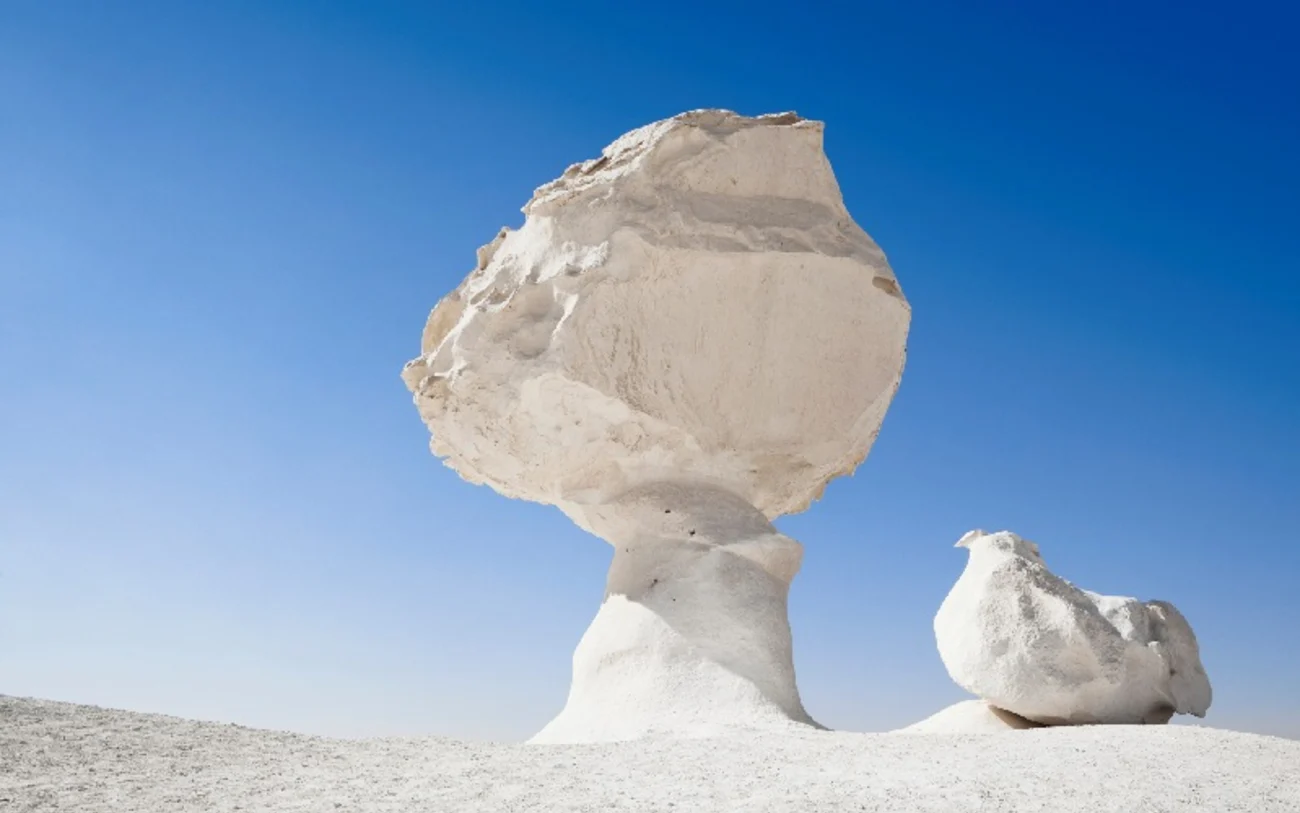
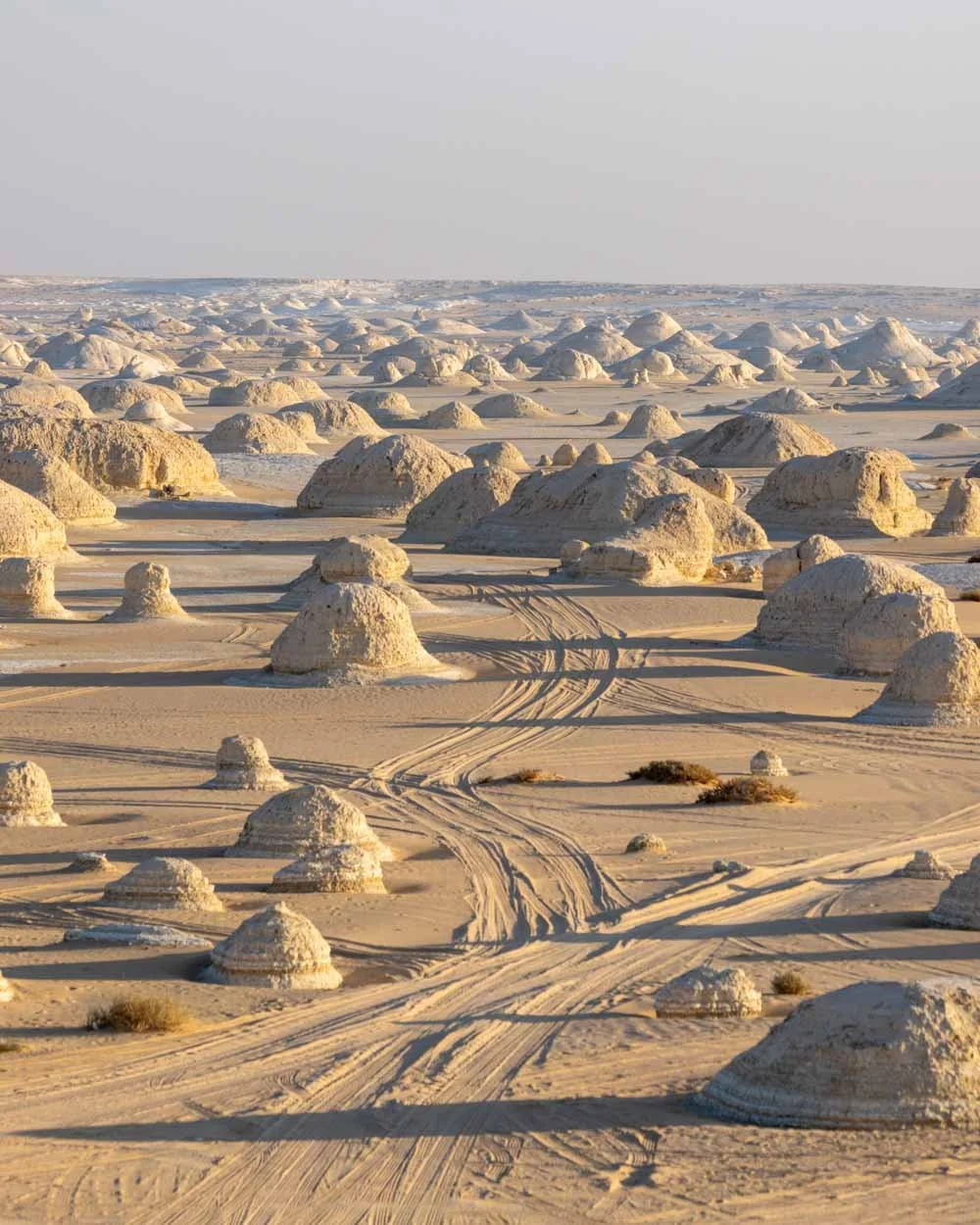
A collection of large, mushroom-shaped chalk rock formations sculpted by natural erosion. These structures stand isolated across the flat, sandy basin.
Walk between the formations during early morning for clear shadow contrast.

The chalk pinnacles that make this landscape famous stand hundreds of kilometres from the Nile, in a depression most maps barely label. This Where Is the White Desert in Egypt guide fixes the position precisely — governorate, oasis basin, and the road that reaches it. It also explains why that position changes how a visit has to be planned.
Quick answer
The White Desert sits in Egypt's Western Desert, inside White Desert National Park, Farafra Depression, New Valley Governorate, reached overland from Cairo by way of Bahariya Oasis. The park gate keeps the same hours every day, 08:00–19:00, with a 5 USD conservation fee per person collected on site. Formations spread across open terrain, so the final approach is by 4x4 with a licensed driver.
The chalk spires of the White Desert began as a seabed. Marine microorganisms settled here in the Late Cretaceous, and wind has been editing the sediment ever since. Visitors asking where is the white desert in egypt are effectively asking for the coordinates of an ancient ocean floor. The answer is administrative as well as geological: White Desert National Park, Farafra Depression, New Valley Governorate — a sunken basin in the Western Desert, far west of the Nile. Scale explains most of the confusion. Egypt's Western Desert covers roughly two-thirds of the country, and the Farafra Depression sits deep inside it, along the oasis road that links Bahariya Oasis to Dakhla. Locals call the area Sahara el Beida, the white desert, distinguishing it from the volcanic hills of the Black Desert to the north and the quartz ridge known as Crystal Mountain between them. The nearest settlement is Qasr El Farafra, a small oasis town of palm groves and hot springs. The park itself was gazetted in the early 2000s to protect the calcite formations from vehicle damage and souvenir collecting. That position shapes every practical decision that follows. No railway or scheduled bus reaches the formations; access is overland by 4x4, and the last stretch leaves the asphalt entirely. Most travellers therefore arrive on a guided White Desert tour from Cairo, routed through Bahariya, with a licensed driver who knows the tracks between the mushroom rocks and inselbergs. Permits and park entry are handled at the gate rather than online, which is another reason independent driving is rare. Camping inside the protected area is the standard way to see the chalk at dawn, when low light and long shadows do the work that midday glare undoes. In August, daytime heat in the depression is severe, which pushes activity toward early morning and late afternoon. Knowing where is the white desert in egypt therefore answers a second question by implication: this is not a half-day excursion from a Cairo hotel. Plan for a long drive, a night under the escarpment, and a return the following day. The sections below set out gate hours, the conservation fee, the arrival window, and the route itself in detail.
“The answer is administrative as well as geological: an ancient seabed with a governorate address.”
The White Desert National Park is situated within the Farafra Depression in Egypt's New Valley Governorate. The most practical approach involves traveling from Cairo via private vehicle or hired transport due to the remote desert location.
Cairo to Bahariya Oasis via Oasis Road
Bahariya Oasis to White Desert National Park via local tracks
Cairo (Turgoman Station) to Bahariya Oasis
Visitors should coordinate with a local driver or guide in the Bahariya Oasis, as navigation across the desert terrain to the park gate requires specialized knowledge and four-wheel-drive vehicles.
The White Desert National Park maintains consistent daily operation throughout the week for visitors. Access is available from morning until early evening hours.
The best arrival window is 08:00–18:00 to ensure clear visibility of the limestone formations and to mitigate navigation risks associated with desert driving after dark. Planning your visit during the shoulder months provides the most stable conditions for traversing the Farafra Depression.
Mild days, cool nights (15°C–25°C)
These months provide the most stable temperatures for daytime exploration. Avoiding the summer heat prevents risks of exhaustion during long tours.
High heat (35°C–45°C)
Extreme temperatures occur during these months. Midday exposure should be strictly limited to remain safe.
—
Arriving early optimizes the daylight hours for viewing the geological structures. It also allows for steady navigation before the sun reaches peak intensity.
Verdict: The best time to arrive is between 08:00–18:00 during the months of October through April to balance navigation safety with comfortable temperatures.
The White Desert National Park features distinct geological formations created by wind erosion and sedimentary processes over millions of years. These chalk-white landscapes offer visitors unique topographical structures to observe within the Farafra Depression.
A collection of large, mushroom-shaped chalk rock formations sculpted by natural erosion. These structures stand isolated across the flat, sandy basin.
Walk between the formations during early morning for clear shadow contrast.
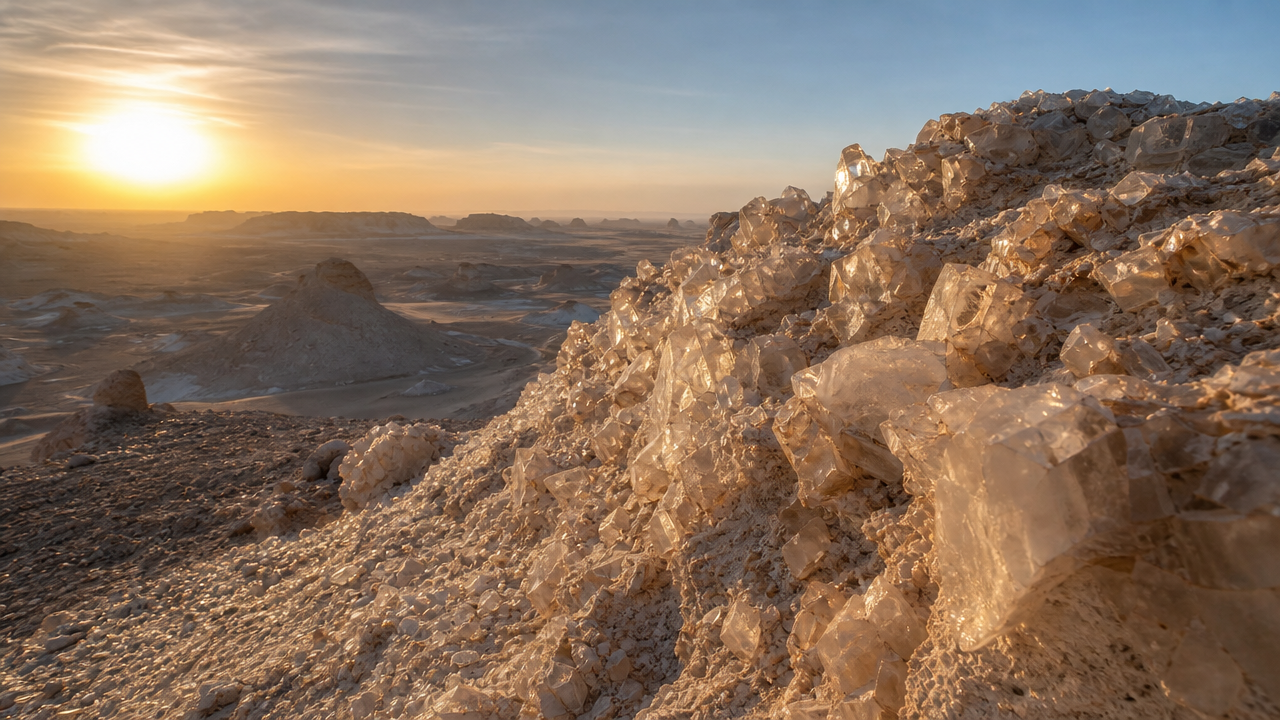
A ridge composed of quartz crystals that glisten in the sunlight. This site serves as a distinct geological marker between the Bahariya Oasis and the White Desert.
Observe the raw crystal formations from the base of the ridge.
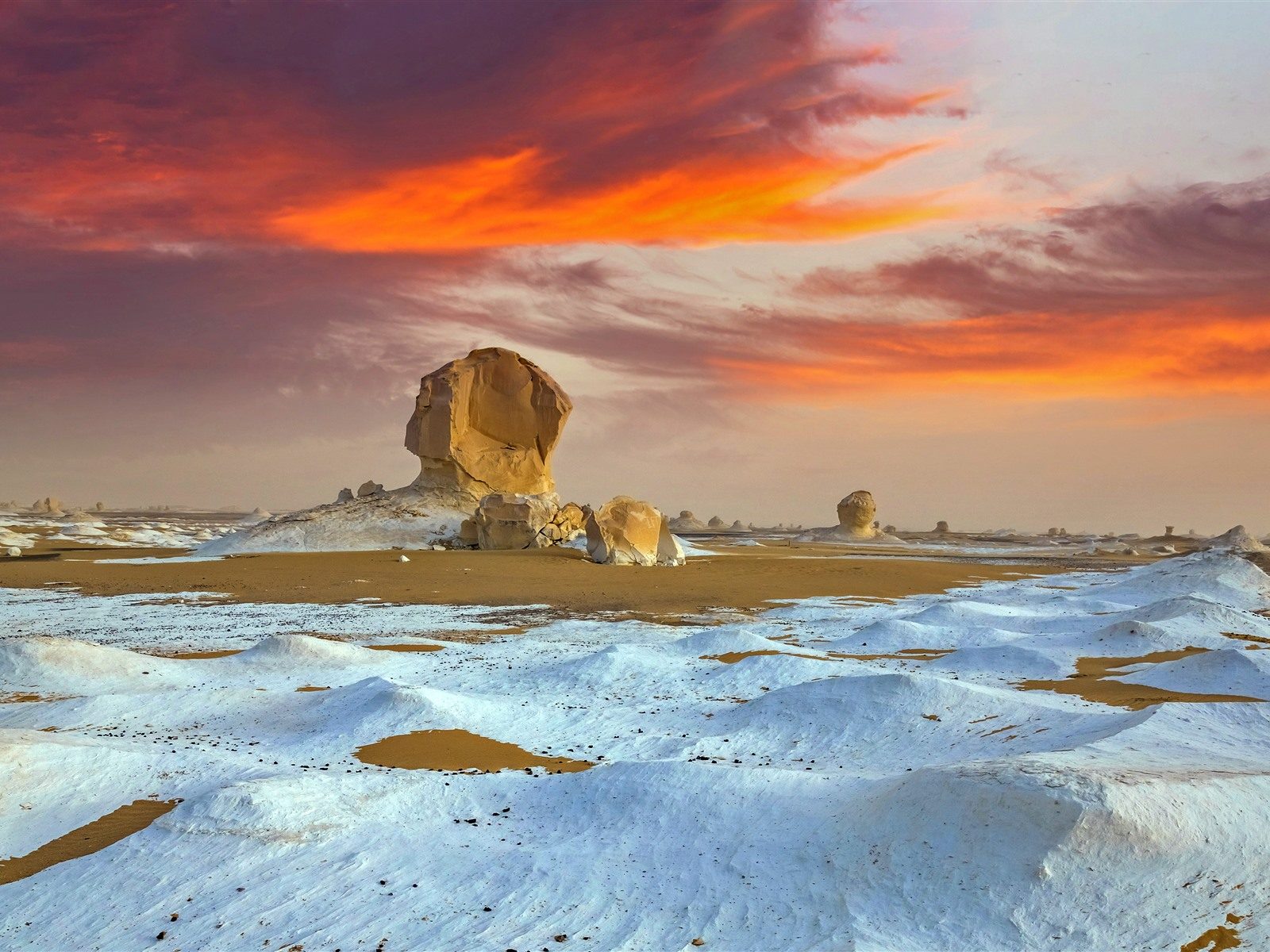
Two prominent limestone monoliths that rise above the surrounding white chalk landscape. They provide a navigational reference point for travelers traversing the park.
Photograph these peaks from the south side for full scale.
The area characterized by darker, more weathered rock formations compared to the newer, brighter chalk zones. This section illustrates different stages of erosion over time.
Visit during the late afternoon to see the color variations.
The White Desert sits deep in the Farafra Depression with no shops, shade, or reliable phone signal once you leave the road, so preparation happens before you go.
Everything you need to know about where is the white desert in egypt
The White Desert is situated within the Farafra Depression in the New Valley Governorate of Egypt. Knowing exactly where is the white desert in egypt helps travelers plan their journey through the Western Desert region. Geologists study this area for its unique chalk rock formations that have been sculpted by wind erosion over millennia. Understanding where is the white desert in egypt is the first step in organizing a safe expedition into this protected wilderness.
Most visitors travel to the White Desert via 4x4 vehicles from Cairo or Bahariya Oasis as public transport to the park gates is limited. While researching where is the white desert in egypt, visitors often find that guided tours offer the most reliable navigation across the remote terrain. This desert landmark requires specialized equipment and experienced drivers to traverse the sand dunes safely. Planning a Cairo desert tour is a common method for reaching these remote limestone sculptures.
The conservation fee for entering the park is 5 USD per person, payable at the park gate. This fee supports the maintenance of this national heritage site and is required for all visitors. Please ensure you have the exact currency available when you arrive to simplify the entry process. Costs are standard, so there are no variable ticket tiers to navigate.
The optimal arrival window for the park is 08:00–18:00 to maximize daylight for viewing the rock formations. Arriving during these hours helps avoid navigation risks associated with driving across the desert after sunset. We recommend that those wondering where is the white desert in egypt plan their schedule to ensure they reach the site well before dusk. Proper timing is essential for both safety and the best visibility of the chalk deposits.
While technically possible to navigate, it is strongly advised to utilize professional guides who are familiar with the terrain and park regulations. Off-road driving in the Egyptian Western Desert poses significant logistical challenges, including sand traps and lack of cell service. Local guides ensure you adhere to conservation rules while navigating this vast, arid environment. Reliable tour operators manage the permits and logistics necessary for your safety.
The park is open daily from 08:00 to 19:00 throughout the week. These hours allow visitors to experience the landscape during the brightest parts of the day. You should coordinate your travel itinerary to align with these opening times. Always confirm your schedule with your transport provider to avoid arriving outside of these operational hours.
The Farafra Depression contains the distinct white chalk deposits that give this park its name and fame. This geographical feature serves as the primary location for the unique karst-like landscape found nowhere else in the country. It is the core area that defines the experience for those seeking to visit this natural landmark. Most excursions into this region focus on exploring the formations within this specific depression.